Insight
We asked nearly 500 enterprises how they manage AI spend. Most are running frontier models today and planning a shift toward open weights within the year. Three in four cannot prove AI outcomes to their CFO, and the gap widens as companies get bigger. Model routers turned out to be one of the strongest predictors of who can. The biggest ask of model and token providers is not lower prices. It is a bill they can explain. Read the full State of AI Tokenomics
Only about a quarter of a platform's AI spend is typically direct model consumption. The rest is GPU, infrastructure, memory, database, compute and the labour around all of it — so a cost model that stops at the token line item misses roughly three quarters of the bill, and the value formula built on top of it is wrong.
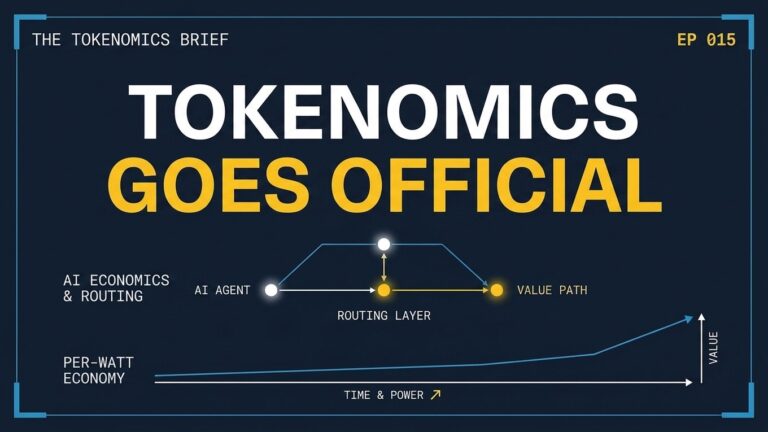
Freed, Not Replaced: How AI Is Changing the FinOps Practitioner’s Role
KEY INSIGHT: AI is not coming for the FinOps practitioner who is learning to use it. It is coming for the practitioner who is sitting still. The fundamentals of FinOps have not changed, the job is still to connect every…
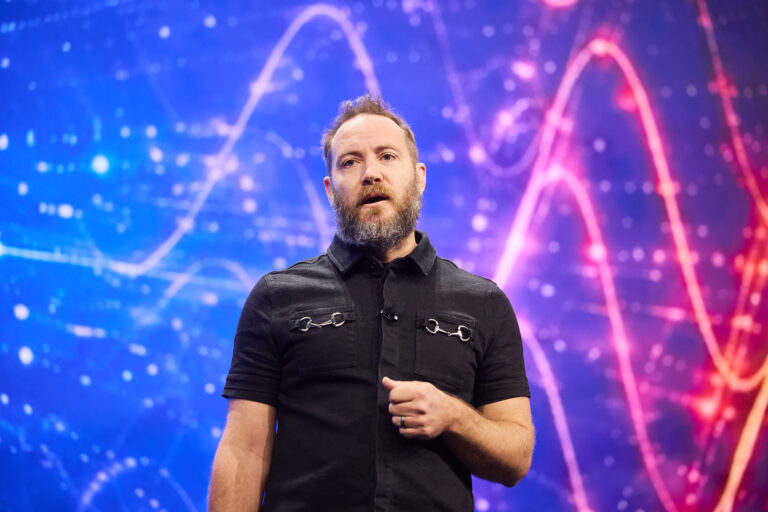
You Cannot Govern What You Cannot See: What Enterprise Tokenomics Looks Like in Practice
MetLife’s approach to enterprise tokenomics starts with visibility, moves through optimization, and ends with measurable business value.
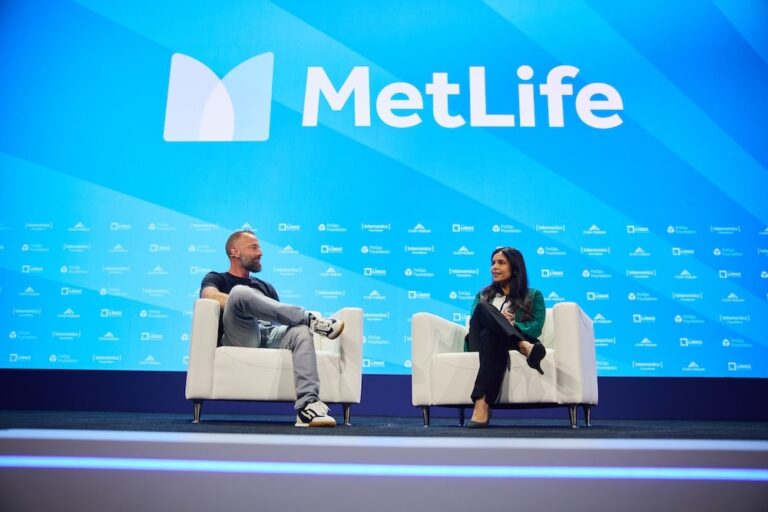
Token Economics: The Atomic Unit of AI Value
Every interaction with a generative or agentic AI system can be decomposed into input tokens (the prompt, the retrieved context, the system instructions, the conversation history) and output tokens (the generated response, the tool call, the chain of reasoning).